What to watch for across Texas
Siding tells a story about the house. When moisture finds its way behind panels, Texas homes can show warning signs sooner than you might think. A siding specialist from Texas Stucco Installation will tell you to keep an eye on surface changes and to note when the exterior looks uneven or feels hollow behind the wall. Across Texas, heat, humidity, and occasional storms challenge siding materials differently, so recognizing the cues early helps protect the home and the budget.
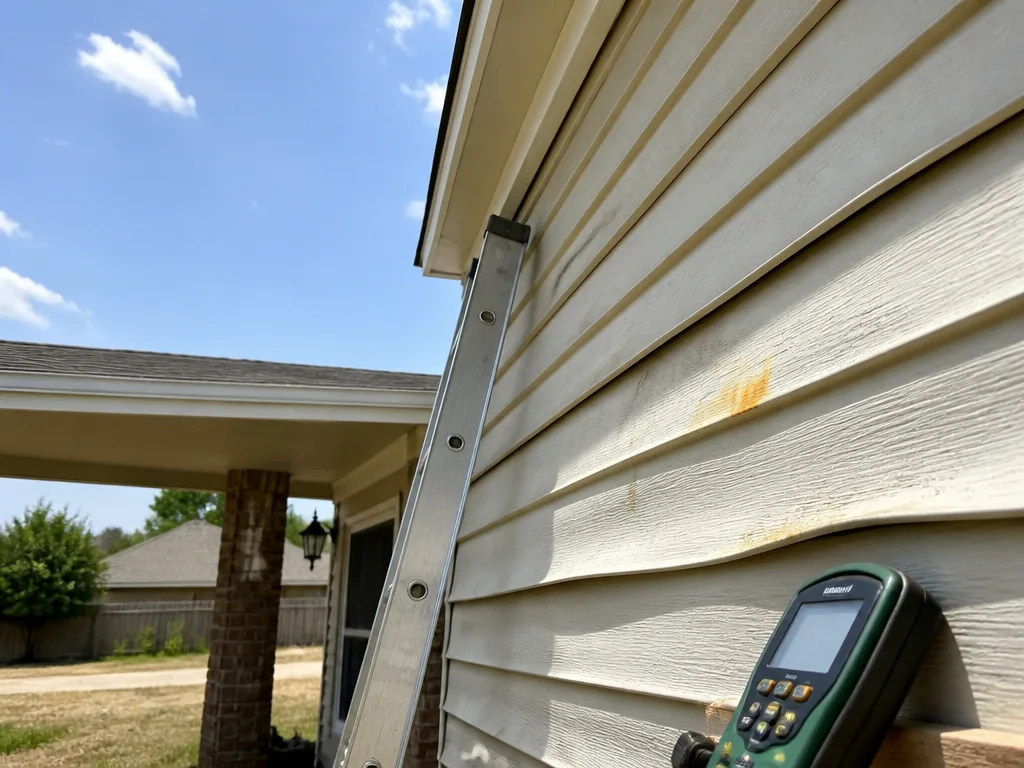
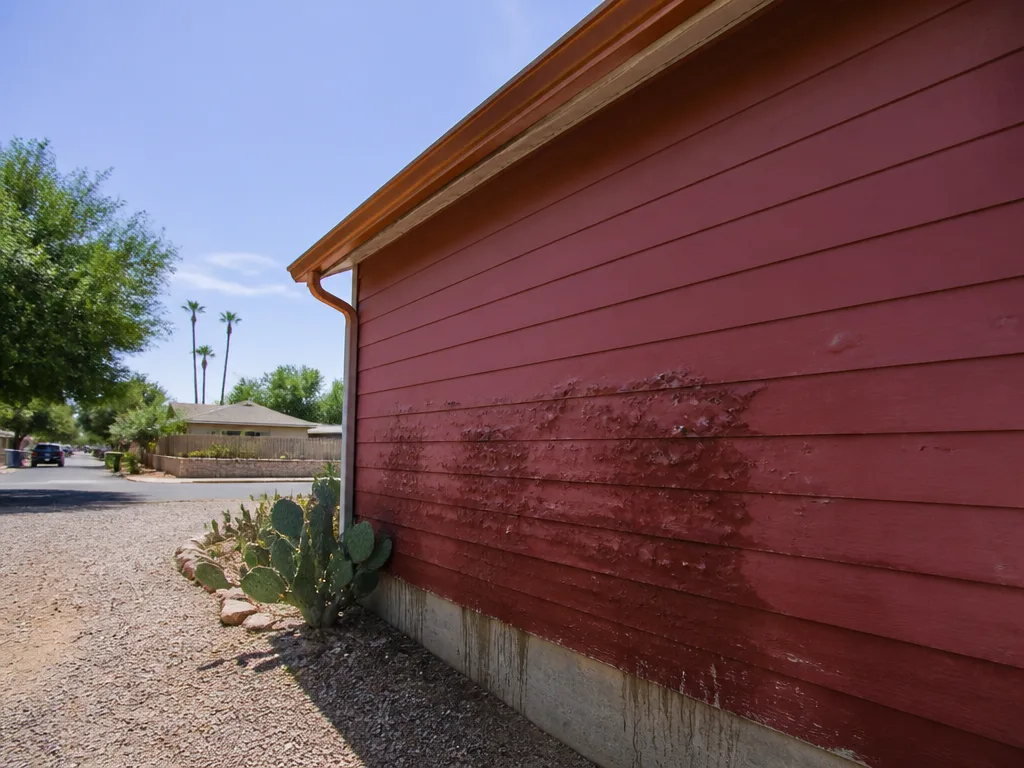
Start with the obvious signs. If you see bubbling paint, blistering, or paint that peels away from seams, that is often a signal moisture has breached the outer layer. Cracked or loose boards or panels, warping, or panels that pull away at corners indicate movement behind the siding. Water stains on interior walls near exterior walls or gaps around windows and doors can mean water is getting through the facade. In Texas, rapid temperature swings can make materials expand and contract, which over time leads to gaps and hidden damage.
Another key indicator is moldy or musty odors near exterior walls. Even if you don’t see active leaks, damp conditions behind siding create a favorable environment for mold and rot. If you notice soft or spongy siding when you press it with your hand, that’s a red flag for moisture intrusion. A siding specialist will verify what’s behind the surface and how far the damage has progressed across Texas climates.
What causes these signs in Texas climates
Texas weather is a mix. The Panhandle can see cold snaps, while the coast deals with humidity and heavy rain. That means expansion and contraction cycles are common, and wind-driven rain can push moisture into seams. Poor installation compounds the issue, letting water sit behind the siding. In many Texas homes, a lack of proper flashing at transitions between siding and roofs or around windows is a frequent culprit. A closer look by a siding specialist helps determine whether the problem is isolated or affects a larger area.
Keep in mind that some signs are easy to miss from the ground. A should-have is a quick inspection after severe weather, especially hail or high winds. Hail can nick the surface and let moisture in over time. In Texas, the seasonal switch between dry and humid periods can hide or exaggerate damage depending on how the home vents and how the siding breathes.
What to do if you see warning signs
If you notice any of the signs above, call a siding specialist from Texas Stucco Installation for an assessment. A quick, statewide check can confirm whether the issue is cosmetic or structural. In many cases, early intervention saves money and prevents further damage. We’ll inspect around windows, doors, and visible seams, then map out a plan that addresses moisture control and the best material fit for Texas conditions.
Common next steps include a moisture test, inspecting flashing details, and evaluating the siding type for compatibility with weather across Texas. If repair is possible, we’ll quote the minimal fix needed. If replacement is wiser, we’ll discuss options tailored to Texas homes, such as fiber cement or insulated siding that holds up under heat and humidity while keeping energy costs in check.
Practical takeaways
- Inspect after heavy rains and during seasonal transitions and note any new stains or soft boards.
- Check seams and around openings for gaps or loose pieces.
- Ask for an on-site evaluation from a siding specialist who understands Texas climate.