Spring and early summer care
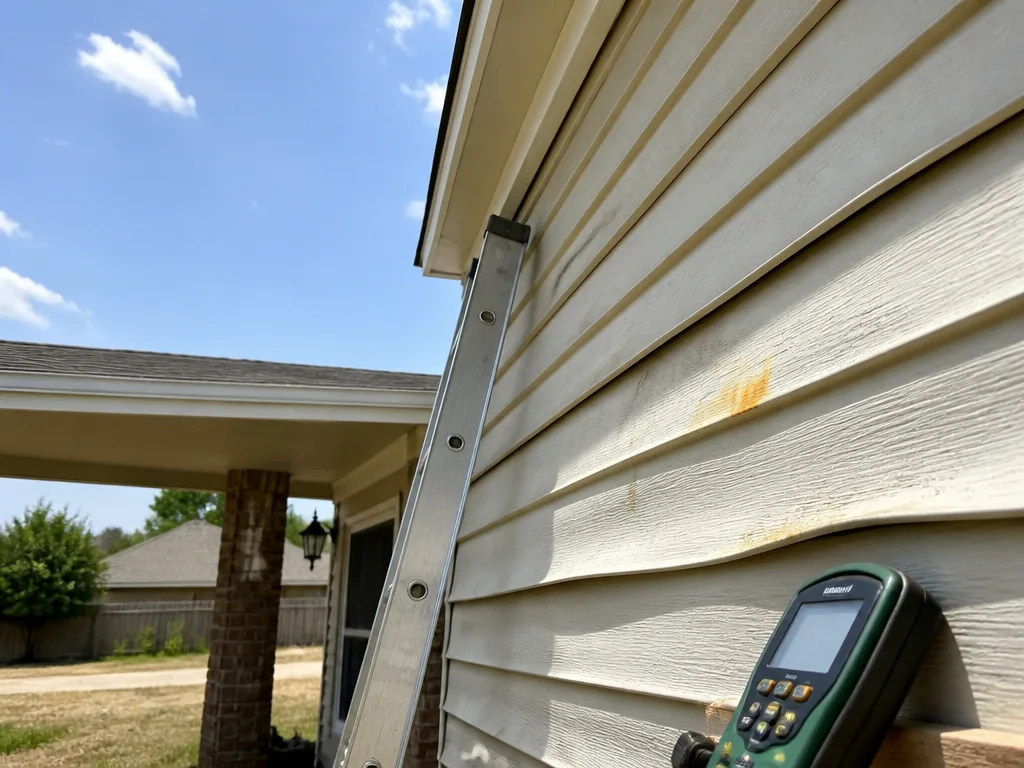
After winter, Texas homeowners should inspect for hairline cracks, loose fasteners, and staining that may have appeared during the freeze-thaw cycle. Clean siding surfaces to remove pollen, dust, and moisture-trapping debris. A gentle wash with detergent and water helps preserve the finish without forcing moisture into seams. Pay attention to flashing around doors and windows where water can sneak in during spring rains.
Texas crews recommend testing caulk around openings. Re-seal any gaps to prevent water intrusion and mold growth. If you notice misalignment after storms, have a siding specialist take a look. They can verify whether the issue is simple re-sealing or panel realignment that the heat and sun from Texas summers may have affected.
Summer care that stands up to heat
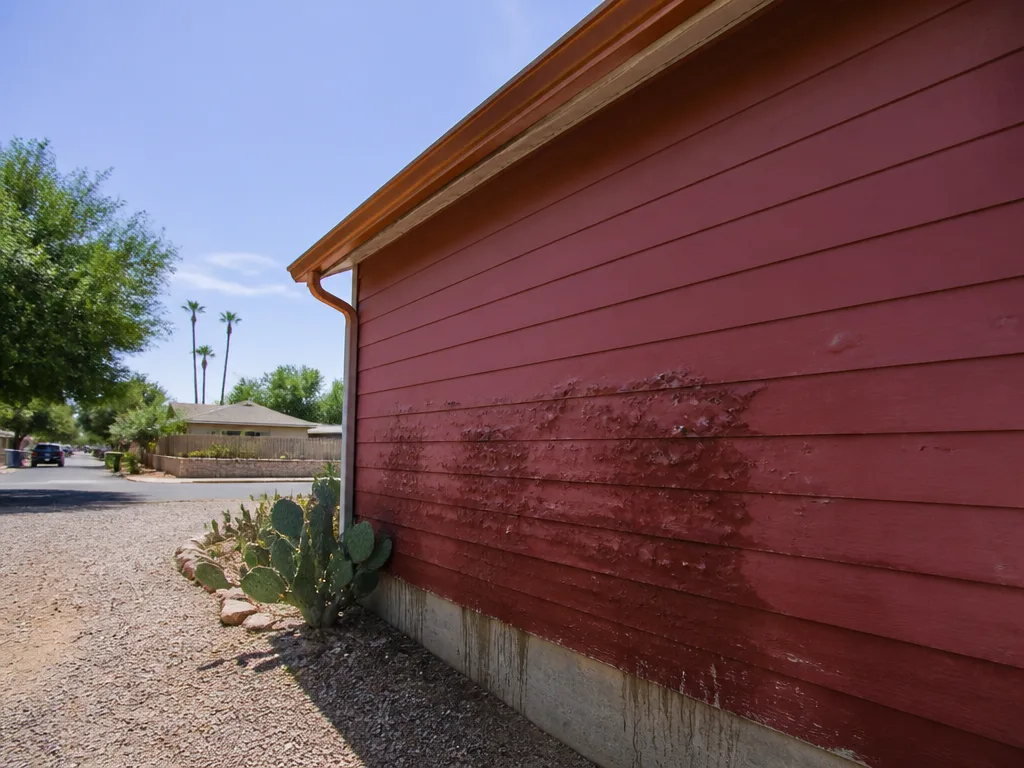
Summer heat can cause panels to expand and create small gaps or buckling on some materials. Check for high spots along seams and ensure there is proper ventilation behind the siding. If you see paint fade or chalking on painted surfaces, it’s a cue to refresh the finish. In Texas, choosing a siding with heat resistance and proper UV protection is a practical long-term choice. A siding specialist can guide you on material options that stay cooler and resist warping.
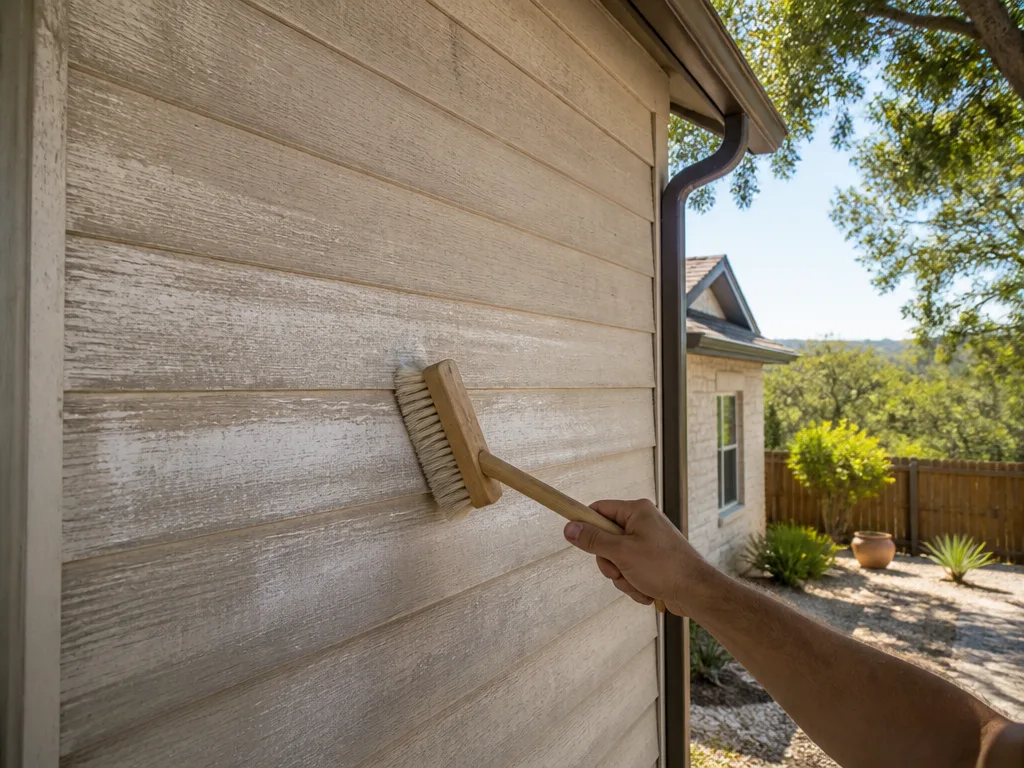
Regular washing helps, but avoid power washing too aggressively near joints. Use a wide spray and a soft brush. This reduces the chance of water intrusion that can lead to hidden damage behind the surface. If you’re replacing boards, match the siding material and profile to maintain consistent performance across Texas.
Fall and preparation for storm season
As temperatures drop, inspect the edges of the siding for cracks or gaps where moisture might creep in during rains. Seal flashings and ensure gutters are clean so water doesn’t back up against the siding. Plan ahead for winter by checking the attic space and ensuring proper insulation, which helps limit condensation outside and keeps the exterior in good shape across Texas.
Winter inspections should focus on damage from wind-driven rain and any hail events. A siding specialist can assess whether impact points require patching or replacement and explain how current and future Texas weather might affect your siding choices.
A simple statewide routine
Across Texas, a basic routine includes a twice-yearly exterior check, cleaning, caulking where needed, and a quick look at flashing and sealants. If you’re unsure about a problem, it’s time to call a siding specialist. Texas Stucco Installation offers inspections and practical recommendations that fit the state’s climate and your home. The goal is no surprises and steady protection for every corner of Texas.